October 1918
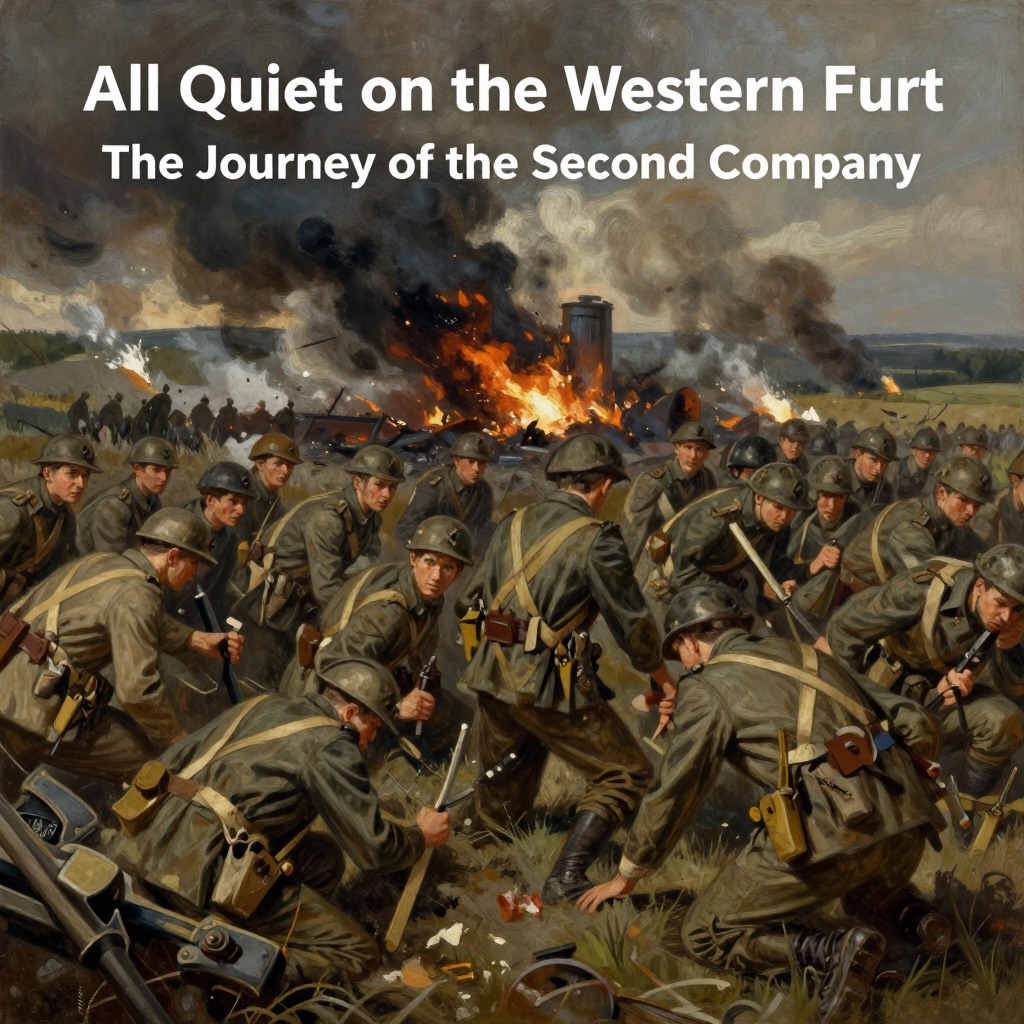
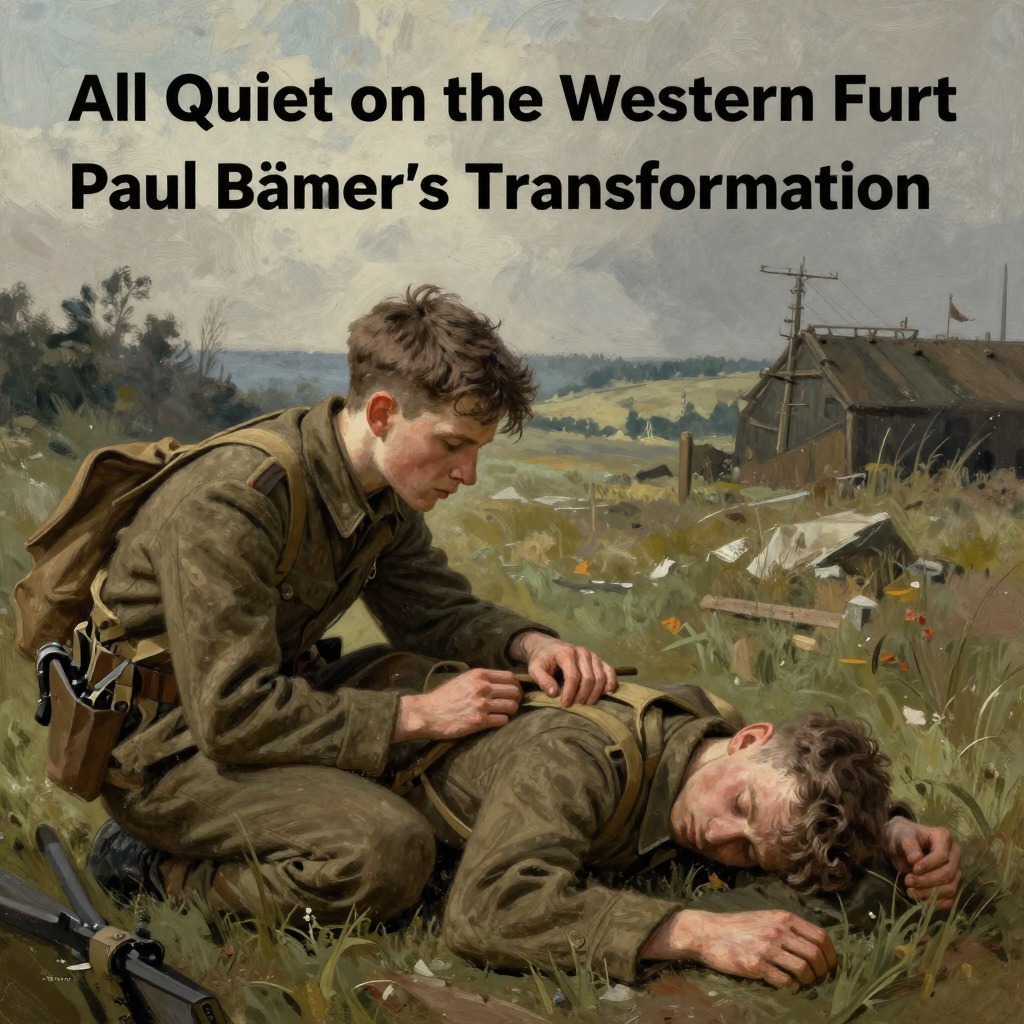
October 1918 marks the terminal point of Paul Bäumer's narrated experience and of the First World War itself. It is the month in which the army report confined itself to the single sentence "All quiet on the Western Front" and the month in which Paul, the last of the seven classmates who volunteered together, is killed. The novel's final chapter opens with the observation that autumn has come and that there are not many of the old hands left; Paul is the last of the seven fellows from his class. Everyone talks of peace and armistice, and all wait. The hope is so high that if it proves an illusion, the men will break up; if there is not peace, there will be revolution. Paul himself has fourteen days' rest because he has swallowed a bit of gas, and he sits the whole day long in a little garden in the sun. He believes the armistice is coming soon, and then they will go home. Yet his thoughts stop and will not go any farther; all that meets him, all that floods over him, are only feelings—greed of life, love of home, yearning for the blood, intoxication of deliverance—but no aims. He reflects that had they returned home in 1916, out of the suffering and the strength of their experiences they might have unleashed a storm. Now if they go back they will be weary, broken, burnt out, rootless, and without hope. He foresees that the generation that grew up before them, though it has passed these years with them, already had a home and a calling and will return to its old occupations, and the war will be forgotten; the generation that has grown up after them will be strange to them and push them aside. They will be superfluous even to themselves, and most will be bewildered; the years will pass by and in the end they shall fall into ruin. But perhaps all this is mere melancholy and dismay, which will fly away as the dust when he stands once again beneath the poplars and listens to the rustling of their leaves. The trees show gay and golden, the berries of the rowan stand red among the leaves, country roads run white out to the skyline, and the canteens hum like beehives with rumours of peace. He stands up, very quiet. He says to himself that the months and years can take nothing from him, they can take nothing more; he is so alone, and so without hope that he can confront them without fear. The life that has borne him through these years is still in his hands and his eyes. Whether he has subdued it, he knows not. But so long as it is there it will seek its own way out, heedless of the will that is within him. He fell in October 1918, on a day that was so quiet and still on the whole front that the army report confined itself to the single sentence: All quiet on the Western Front. He had fallen forward and lay on the earth as though sleeping. Turning him over one saw that he could not have suffered long; his face had an expression of calm, as though almost glad the end had come. The month thus carries the full weight of the novel's conclusion: the death of the narrator, the silence of the front, and the unresolved question of what a generation that has known only war will do with peace. It is also the month in which the earlier ironic label "Iron Youth"—used by Kantorek and recalled bitterly by the soldiers—is finally and utterly emptied of meaning. The summer of 1918 had already been the most bloody and the most terrible, with the days standing like angels in blue and gold, incomprehensible, above the ring of annihilation. Every man knew that they were losing the war. The summer had brought wild, tormenting rumours of an armistice and peace that laid hold on their hearts and made the return to the front harder than ever. Now, in October, those rumours have become the dominant reality, yet the dying continues. The month is also the time when Paul's memories of home—the cathedral cloister with the rose trees, the poplar avenue by the stream, his room with the books and the butterfly collection—are most painfully vivid and most definitively lost. The stillness of the front in October 1918 is not peace; it is the silence that follows the exhaustion of both armies, and it is the silence in which Paul Bäumer dies.